Monday, January 20, 2014

Happy MLK!

Ok, this is going to be a long one! Today we celebrated Martin Luther King, Jr. Day! In the morning, we watched a Brainpop on MLK and talked about what equality means and reviewed what a right is. After talking about MLK and the important things he did for our country, we traced and colored our hands to match our skin color, then the kids wrote what their dream is.


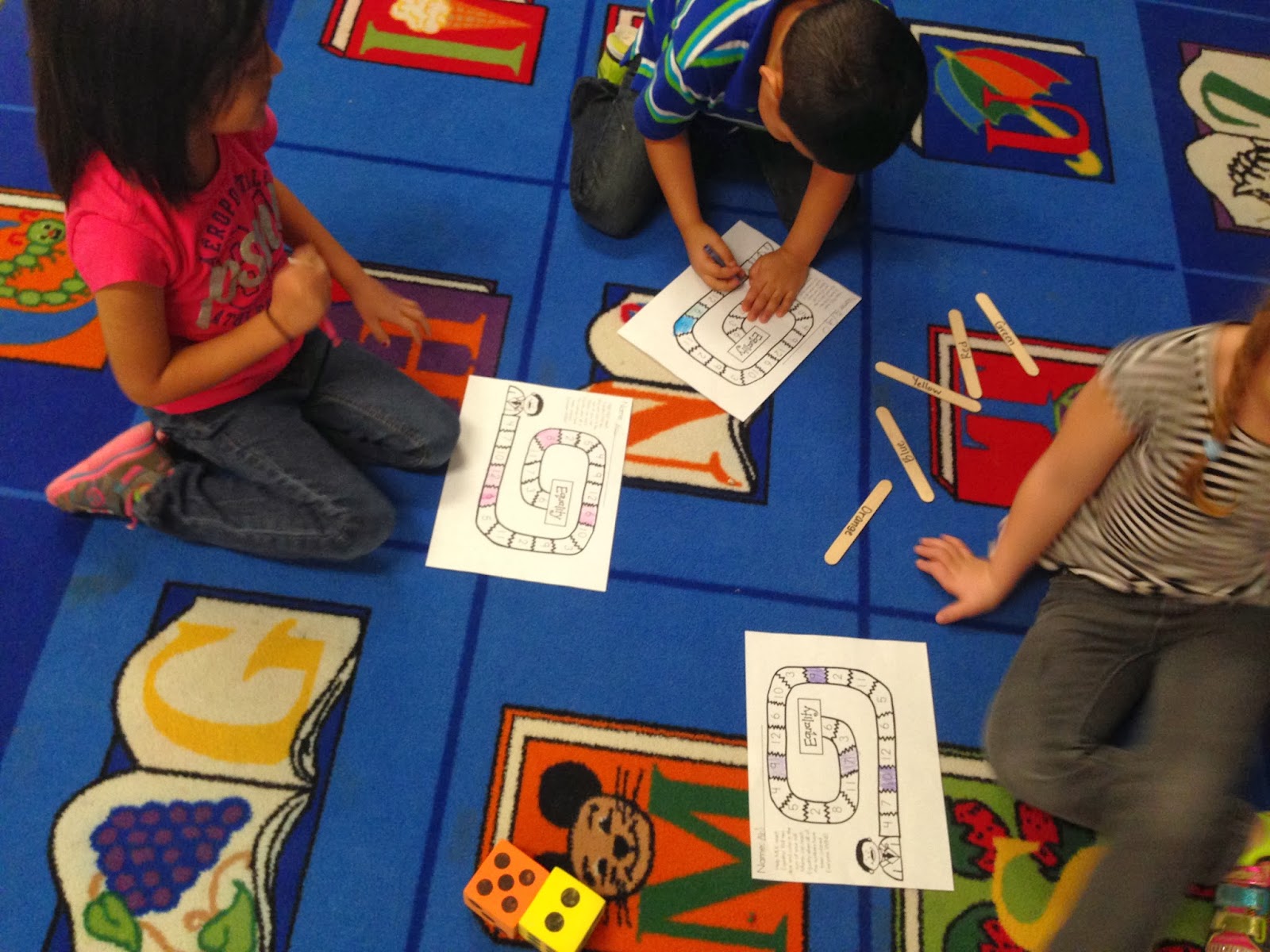
When hands and dreams were finished, the kids played an MLK themed dice addition game. The first person who made it to "equality" (which is our word of the week) was the winner. The kids were in groups of 2 or 3 and took turns rolling the dice, finding the sum and coloring that number on their boards.


 When we came back from recess, we read Martin's Big Words by Doreen Rappaport before the kids started stations.


 During todays stations, they finished work from that morning, made MLK portraits, filled in MLK bubble charts and practiced matching beginning blends with their pictures.

Making MLK portraits

Making words

Writing about MLK on a bubble map


Matching beginning blends to their pictures.
They both just HAD to be in the picture!
Some of the many matches the kids made.

Someone kept photo bombing their blend pictures! But it was so amusing I had to put it up. :)

MLK portraits, dream writing and MLK bubble maps.

Sunday, January 19, 2014

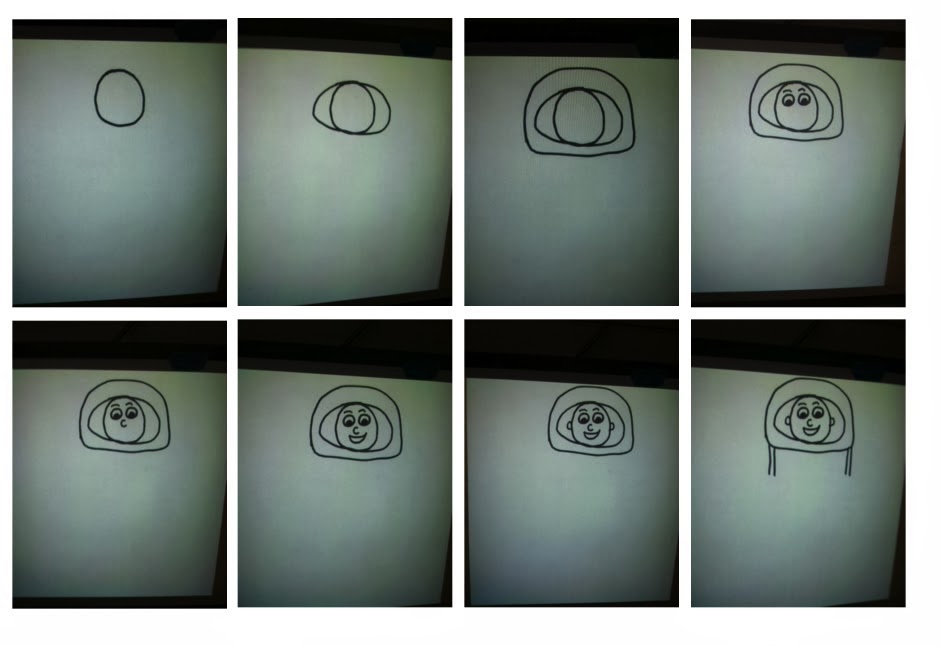
How to make an Astronaut

On of the reading and writing stations the kids did Thursday was following directions given to them by picture and drawing what they saw step by step. They did an AMAZING job!

First they had to follow the steps on the picture in order. I put numbers next to each picture for them to help them remember where to start and go after each step.
              
I put numbers next to each picture for them to help them remember where to start and go after each step.
When they finished their drawings they cut them out, made a moon for their astronaut to stand on and glued them on black paper.


What is a Crater??

Along with talking about the moon's phases, we talked about what the surface of the moon looks like. We talked about why there are "holes" on the moon and what those "holes" are. For our science lab on Thursday, we did an experiment to see why different meteors make different size craters. Some of our questions were does a big meteor make a wide and deep crater? Does a small meteor makes a shallow and narrow crater? 
We used spherical objects that were different sizes and weights to see what would happen. Before we started, I passed all the objects around the table and we talked about their weights and sizes and what we thought would happen with each one. Some of the outcomes (like the small marble compared to the Styrofoam ball) shocked them!

We talked about making sure we dropped out spheres from about the same height so we would have a controlled variable in our experiment.


When we dropped all our spheres and saw the marbles made deeper craters than the Styrofoam and plastic spheres, we came up with reasons as to why that happen. 

After the first group went, it was the second groups turn to see if they would get the same results.


Phases of the Moon

We talked about the different phases the moon goes through this week. Tuesday, the kids made moons with black and white play dough to show the different phases that the moon goes through when the sun shines on different parts of it. We talked about how there are 8 phases and the difference between waxing and waning (which they are using for everything now!) and I tried to trick them by turning our play dough stick moons and asking them the phases. We focused on New moon, full moon and 1st and 3rd quarter moons.

New moon, 1st quarter, Full moon and 3rd quarter. I couldn't trick them no matter how fast I turned the moon or repeated a phase! These are some smart cookies!
Wednesday, we made the phases the moon goes through on paper plates. I had the kids cut out their moon phases, draw an Earth in the middle of their paper plate and then we put the phases in order together.


When we finished, our paper plates showed the different phases of the moon we see depending on where the Sun's light shines on the moon.